90 percent of any liquid shampoo or conditioner is WATER
The Dirty Truth About Liquid Shampoo: Why You’re Paying for Water, Chemicals, and Plastic!
Walk into any bathroom or supermarket aisle and you’ll see shelves stacked with liquid shampoos in glossy plastic bottles, all promising shine, strength, and “natural” care.
But flip the bottle around and read the ingredient list.
The uncomfortable truth?
Up to 70–90% of most liquid hair care products is water (aqua).
Not nourishing oils.
Not plant extracts.
Water.
Why Water Changes Everything (and Not in a Good Way)
Water might seem harmless, but in cosmetics it creates a serious problem:
water is a perfect breeding ground for bacteria, mold, and yeast.
Once water becomes the main ingredient, manufacturers are forced to add a chemical preservation system just to keep the product shelf-stable and “safe” for months or even years.
That’s why liquid shampoos often rely on combinations of:
Parabens (methylparaben, propylparaben)
Phenoxyethanol
Sodium benzoate & potassium sorbate
Formaldehyde-releasing agents (like DMDM hydantoin, imidazolidinyl urea)
Chelating agents like EDTA to boost preservative performance
These ingredients aren’t added to improve your hair.
They’re added to protect the water inside the bottle from spoiling.
And preservatives are just the beginning.
To compensate for dilution, brands often add:
Synthetic fragrances (often undisclosed chemical blends)
Artificial colors
Thickeners and stabilizers to make watery formulas feel “luxurious”
Silicones to temporarily coat the hair and fake smoothness
The result? A product that looks impressive, smells strong, and foams well—but is fundamentally mostly water and chemical support systems.
The Environmental Cost No One Talks About
Now consider the packaging.
That watered-down formula is poured into a plastic bottle, shipped across long distances (mostly transporting water weight), used for a short time, and then discarded.
Even when recycled, plastic:
Degrades in quality
Requires energy and chemicals to reprocess
Often ends up in landfill or the ocean anyway
So the real cost of liquid shampoo isn’t just on your scalp—it’s on the planet.
Customers are paying to transport water, preserve water, and throw away plastic.
Over. And over. And over again.
A Different Philosophy:
Why Ecopartisans Shampoo Bars Exist
At Ecopartisans, we asked a simple question:
What if we removed water entirely?
No water means:
No microbial growth
No need for aggressive preservation systems
No dilution of active ingredients
Our shampoo bars are solid, concentrated formulations, designed to be effective without relying on water as filler.
This doesn’t mean “no chemistry” — it means intentional chemistry.
Every ingredient has a functional purpose for hair and scalp health, not for stabilizing a liquid.
Why Shampoo Bars Last So Much Longer
Because there’s no water:
The formula is highly concentrated
One bar replaces multiple bottles of liquid shampoo
Less product is needed per wash
You’re not washing your hair with diluted surfactants and preservatives—you’re using a compact, efficient formula that works wash after wash.
Packaging That Matches the Product
A solid shampoo doesn’t need a plastic shell.
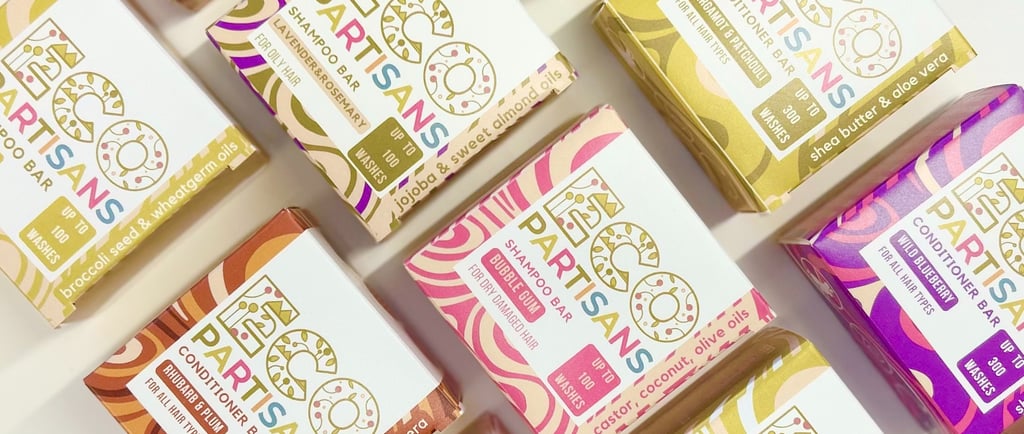
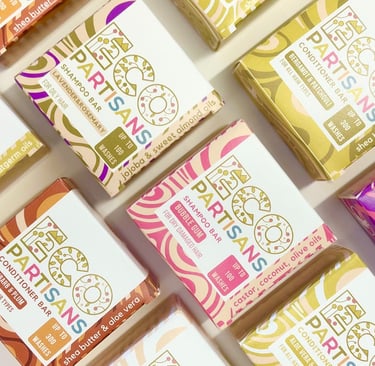
Ecopartisans shampoo bars are packaged in eco-friendly cardboard boxes:
Plastic-free
Lightweight
Easily recyclable
Designed to leave a minimal environmental footprint
No pumps.
No multilayer plastics.
No waste that lingers for centuries.
The Bottom Line
Liquid shampoo isn’t convenient—it’s wasteful.
It’s a system built on:
Water as filler
Chemicals as necessity
Plastic as default
Shampoo bars challenge that system.
Less water.
Fewer unnecessary chemicals.
No plastic bottles.
Longer-lasting products.
Choosing a shampoo bar isn’t a trend.
It’s a conscious decision to stop paying for water, stop supporting plastic pollution, and start demanding better from hair care.
Ecopartisans isn’t just about washing your hair.
It’s about washing away a broken industry standard.